


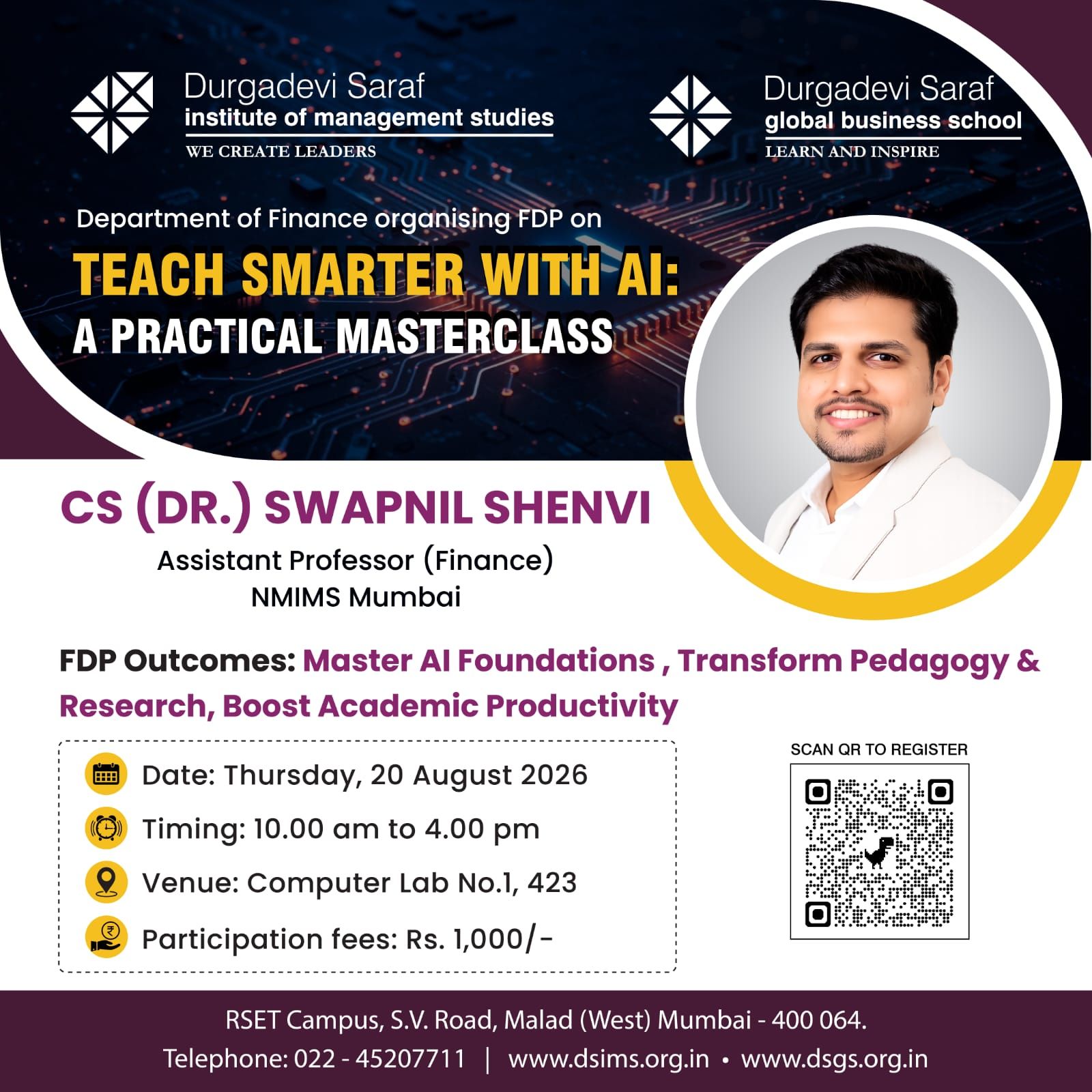
Organised by: Department of Finance, DSIMS & DSGS Date: 20 August 2026 (Thursday) Venue: Computer Lab, 5th Floor, DSIMS Campus, Malad West, Mumbai Duration: 5 Hours Mode: Interactive Hands-on Computer Lab Session Participants: Internal Faculty Members of DSIMS & DSGS Resource Person: CS (Dr.) Swapnil Shenvi, Assistant Professor, NMIMS Mumbai & Founder, Saarthi Financials
Introduction
The Department of Finance, DSIMS & DSGS, organised a five-hour internal Faculty Development Programme (FDP) titled “Teach Smarter with AI: A Practical Masterclass” on 20 August 2026. The programme was designed to equip faculty members with practical knowledge and skills to effectively integrate Artificial Intelligence (AI) into teaching, learning, academic research, and classroom engagement.
The FDP focused on strengthening contemporary pedagogical practices through the effective use of AI-powered tools. It provided faculty members with an opportunity to explore practical applications of AI for improving teaching effectiveness, streamlining research activities, developing interactive learning resources, and creating engaging classroom experiences.
Objectives of the Programme
The FDP was organised with the following key objectives:
- To enhance teaching and pedagogical practices through the effective integration of AI tools.
- To familiarise faculty members with practical applications of AI in business and management education.
- To develop skills in prompt engineering and optimisation for generating effective academic outputs.
- To explore AI-enabled tools for accelerating literature reviews and academic research workflows.
- To introduce innovative AI-based teaching aids and classroom management tools.
- To promote interactive and experiential learning through gamification and digital learning resources.
Pre-Event Planning and Infrastructure
Under the leadership of Director Dr. C. Babu, the requirements for conducting the hands-on FDP were planned and coordinated to ensure effective execution. The IT and support teams facilitated the readiness of the computer laboratory, including hardware, high-speed Wi-Fi connectivity, and access to the required software and digital platforms. Formal invitations were also extended to the institutional leadership and administrative heads.
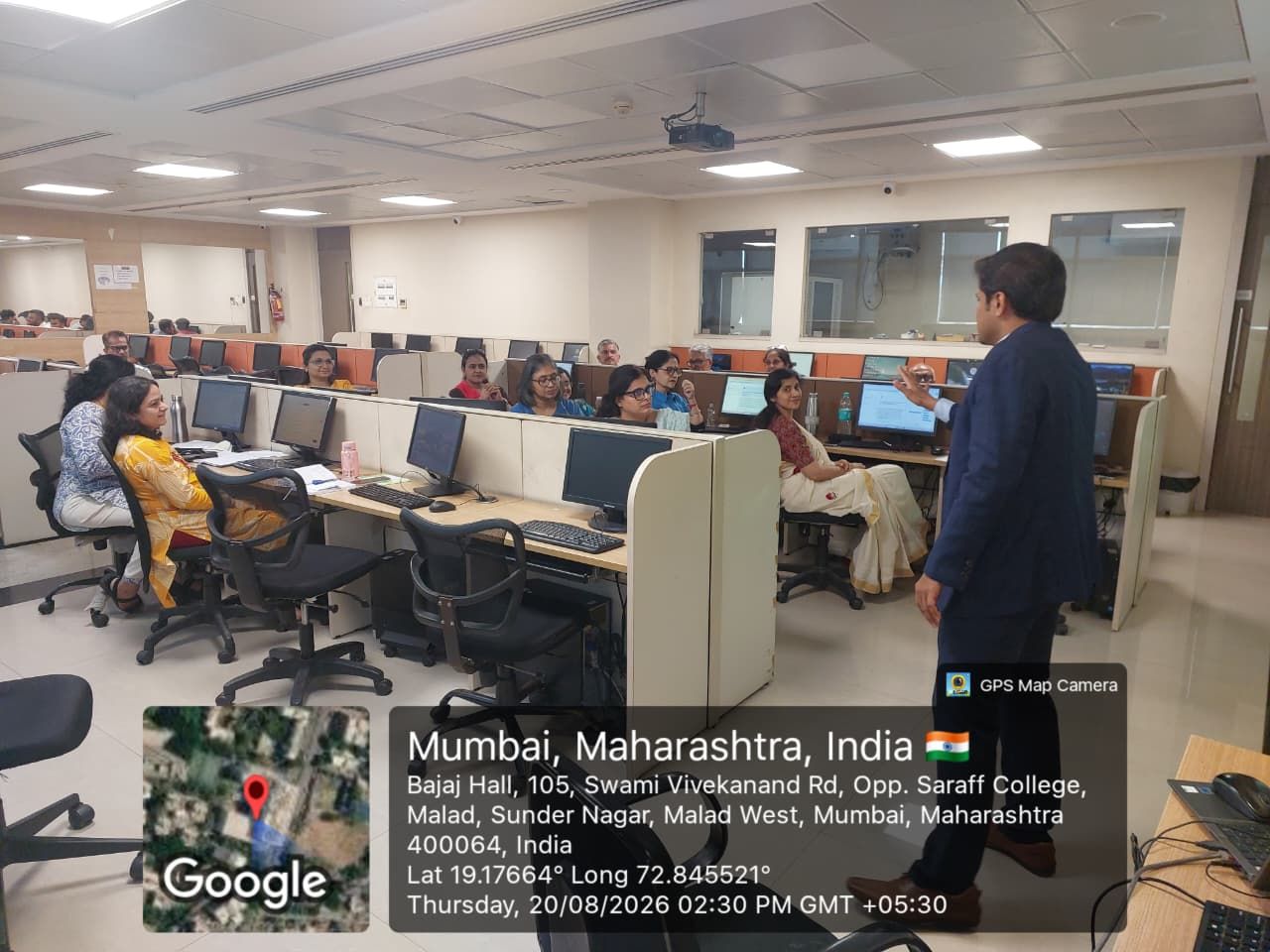
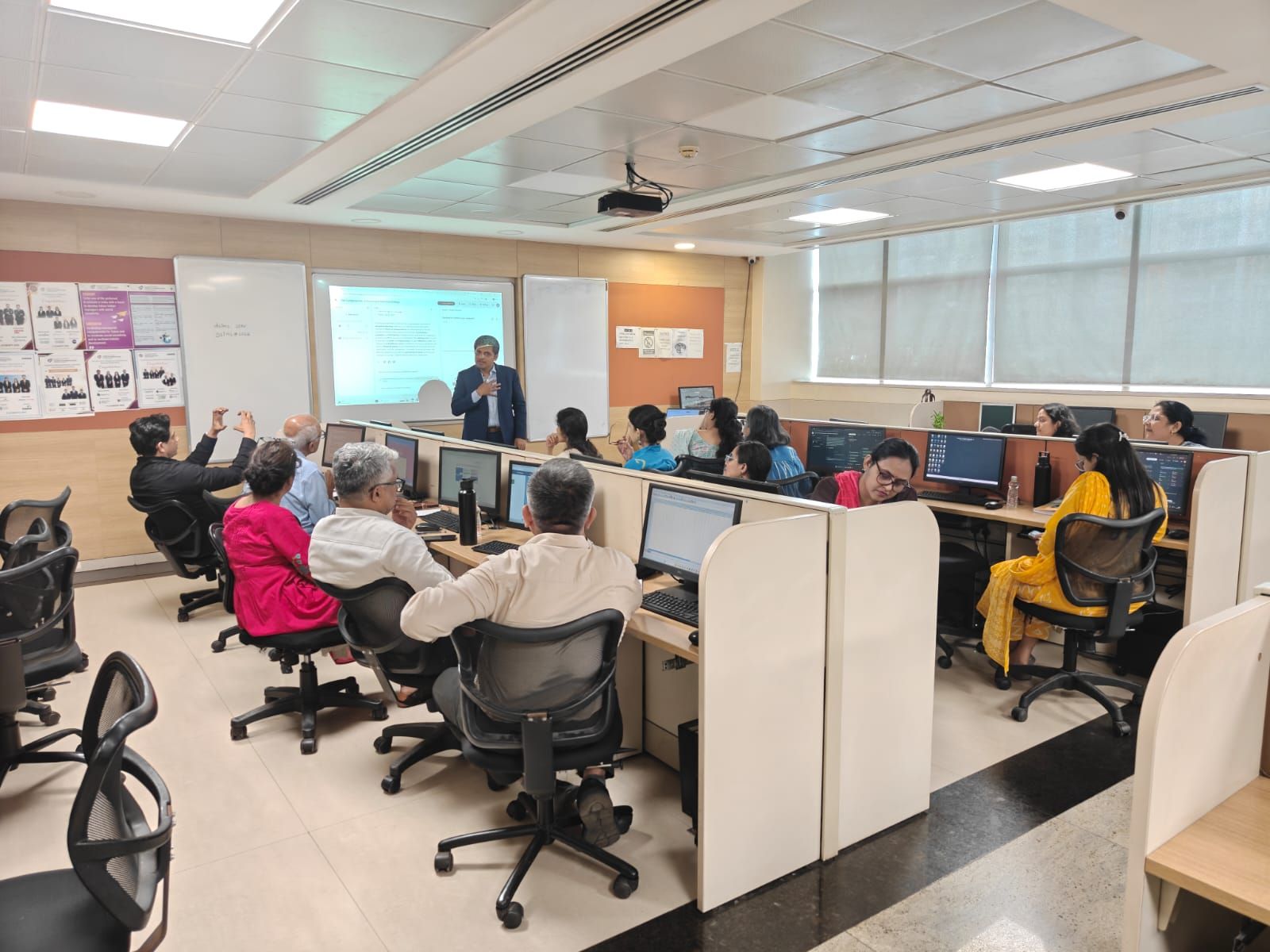
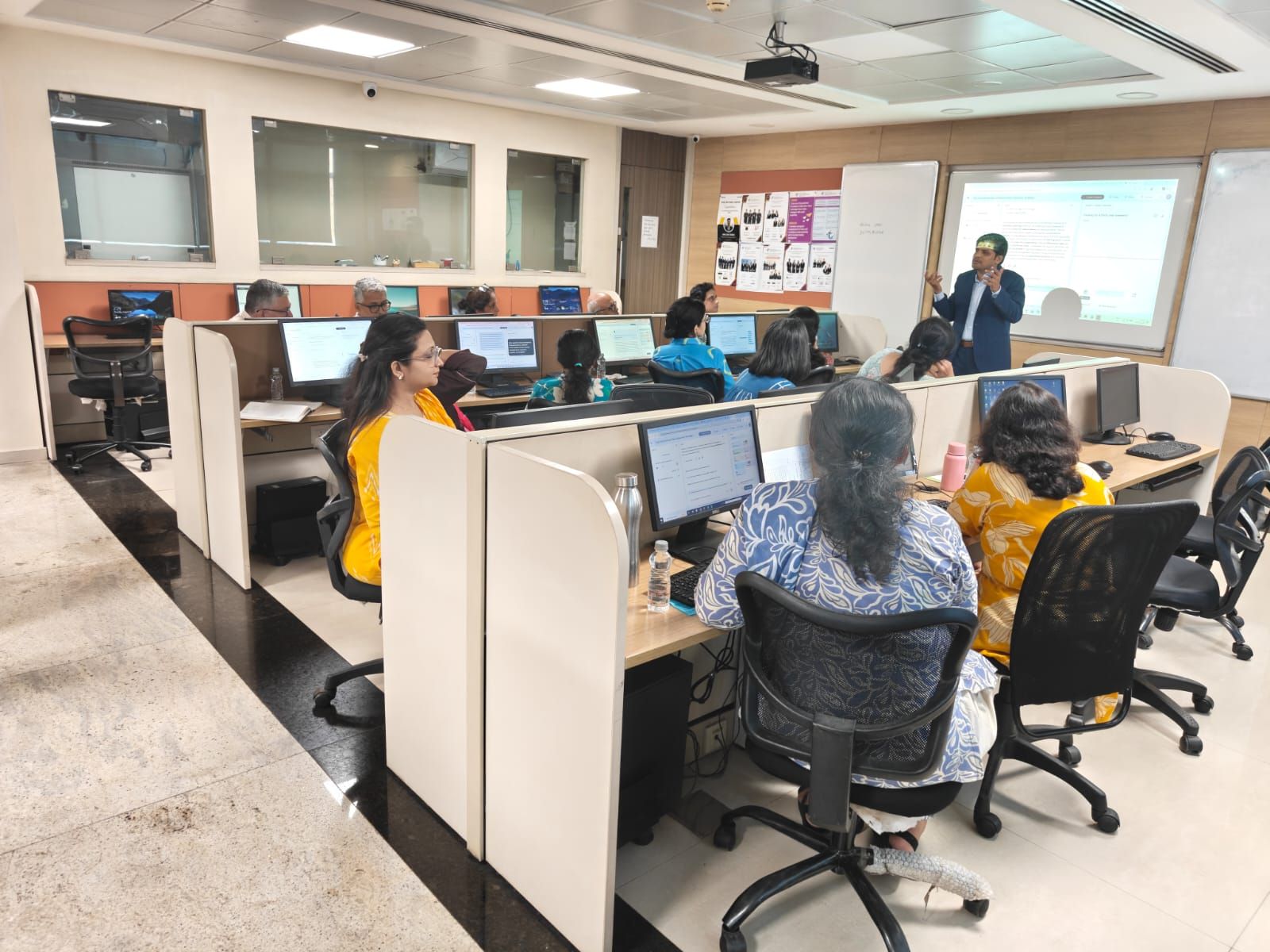
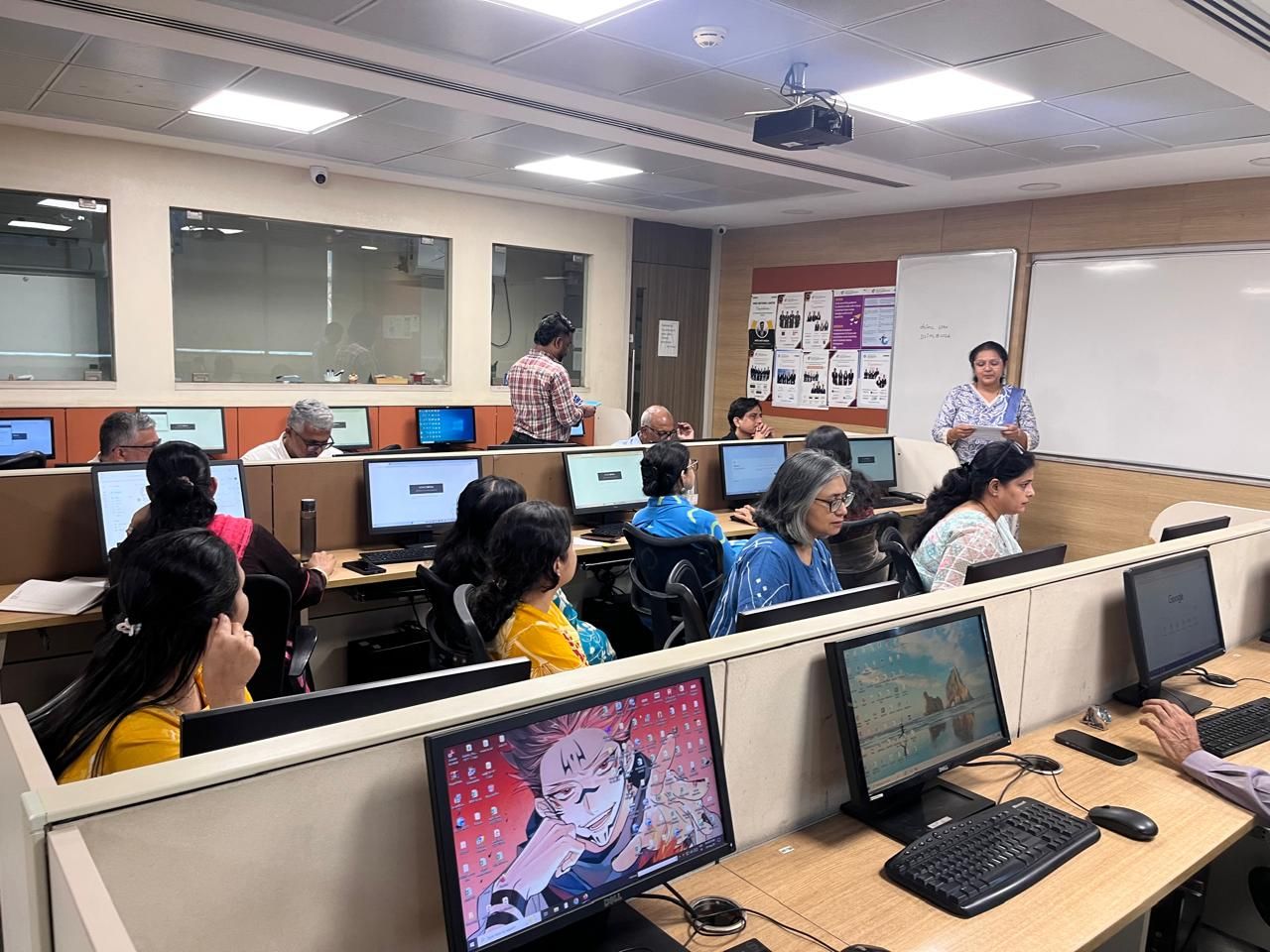
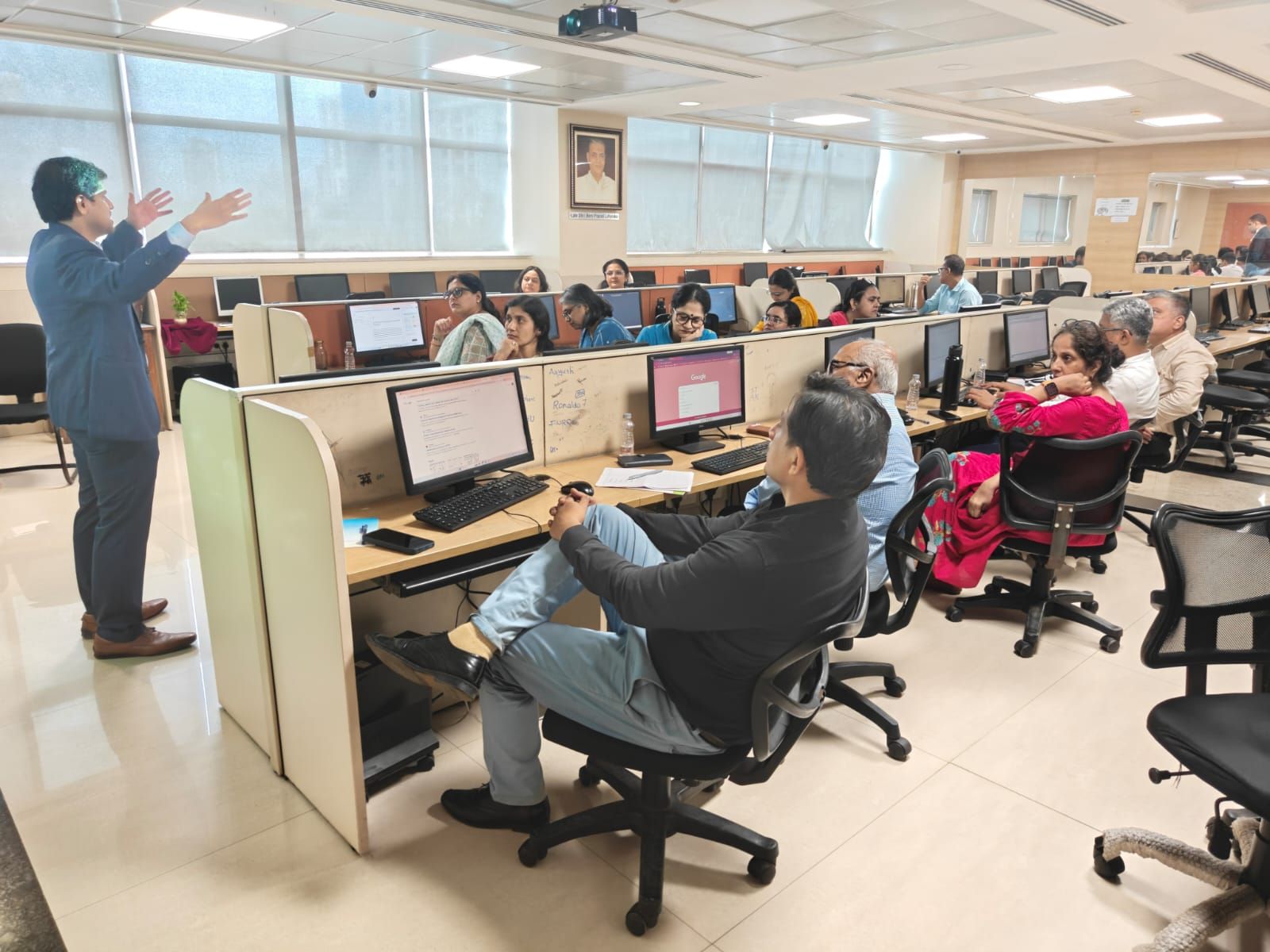
The hands-on computer lab format enabled participants to actively explore and practise the AI tools demonstrated during the programme rather than limiting the session to theoretical discussions.
Programme Proceedings
The programme commenced with a welcome address by Dr. Shital Patil, who welcomed the Director, resource person, and participating faculty members.
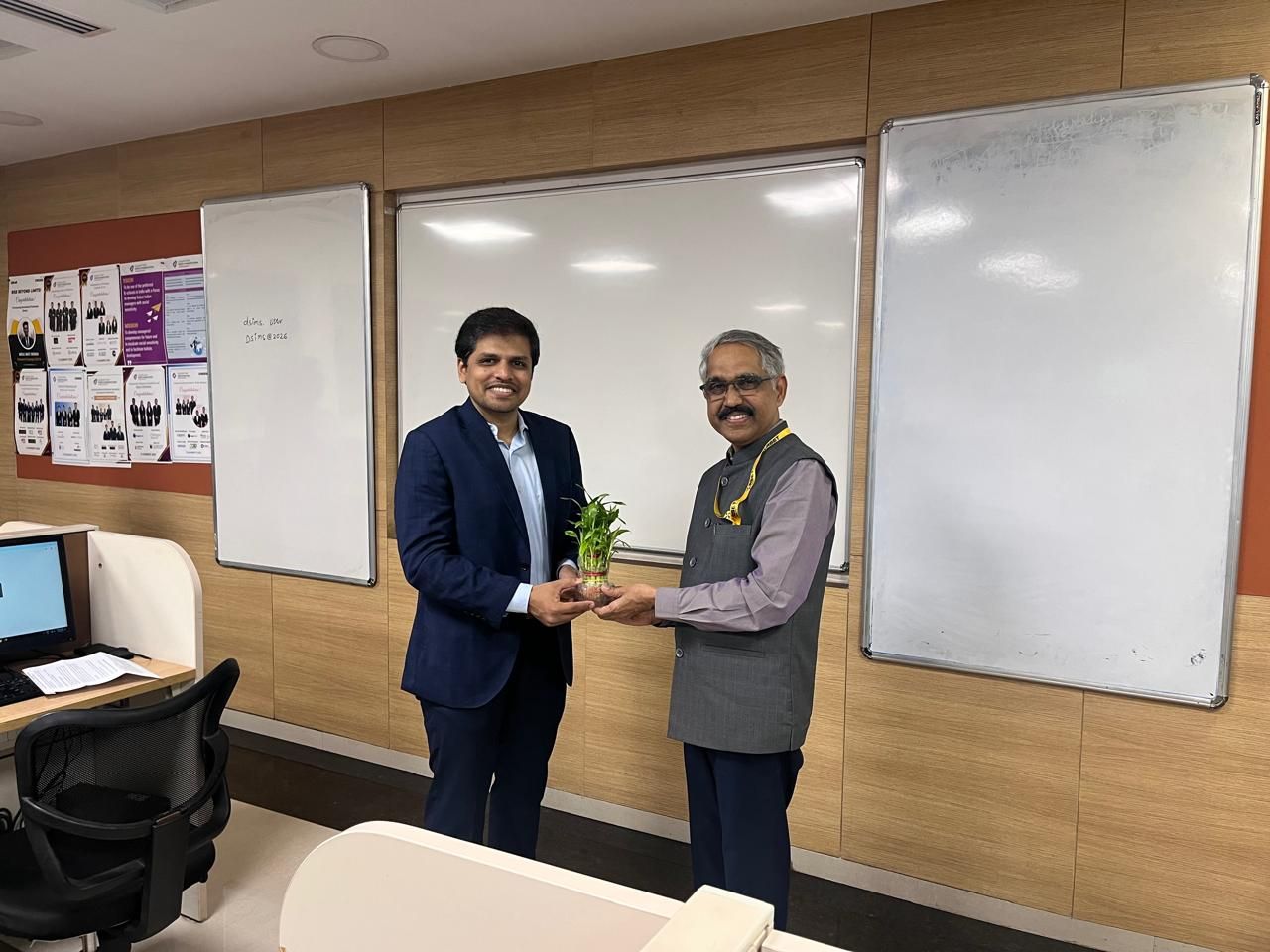
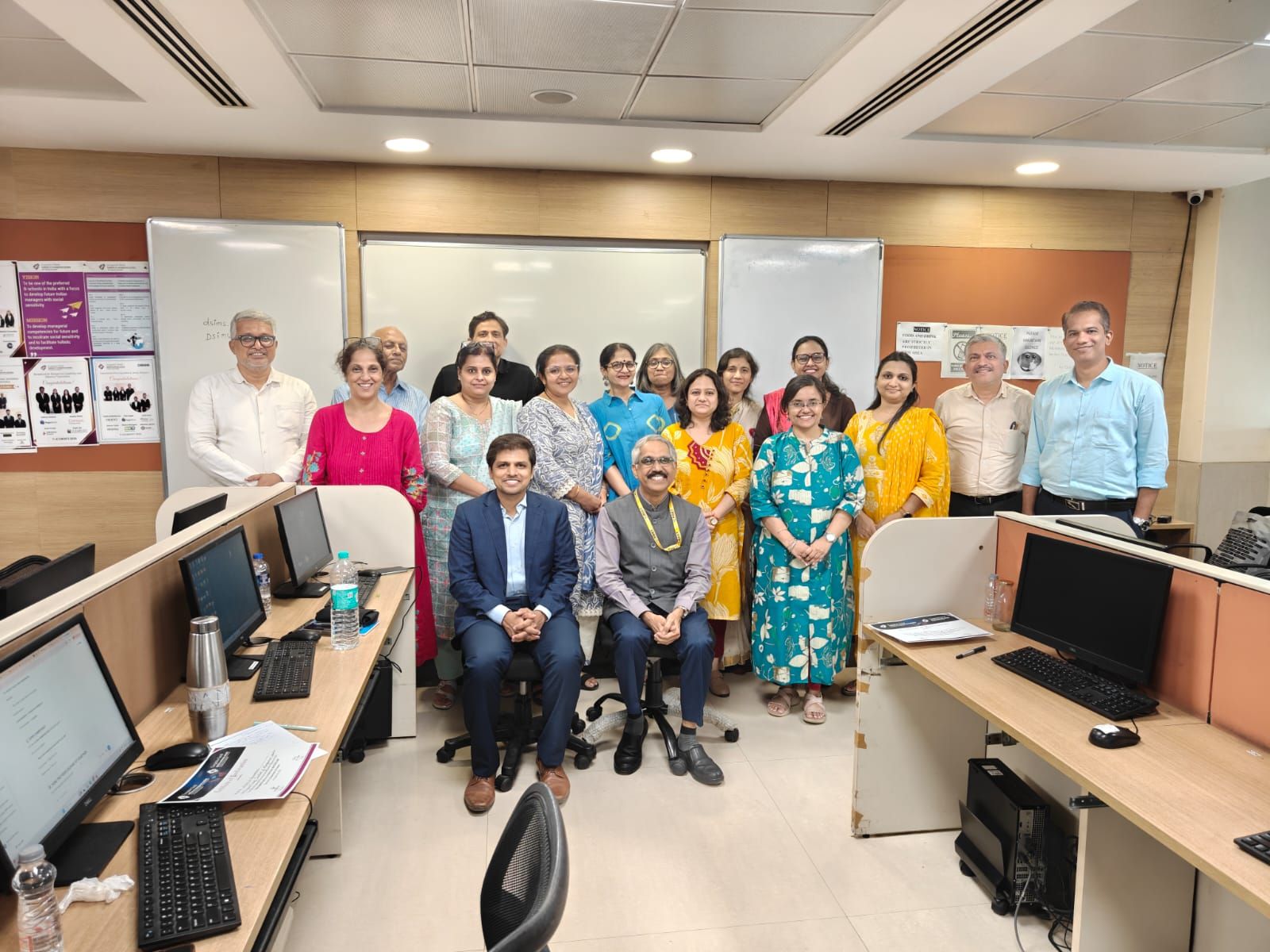
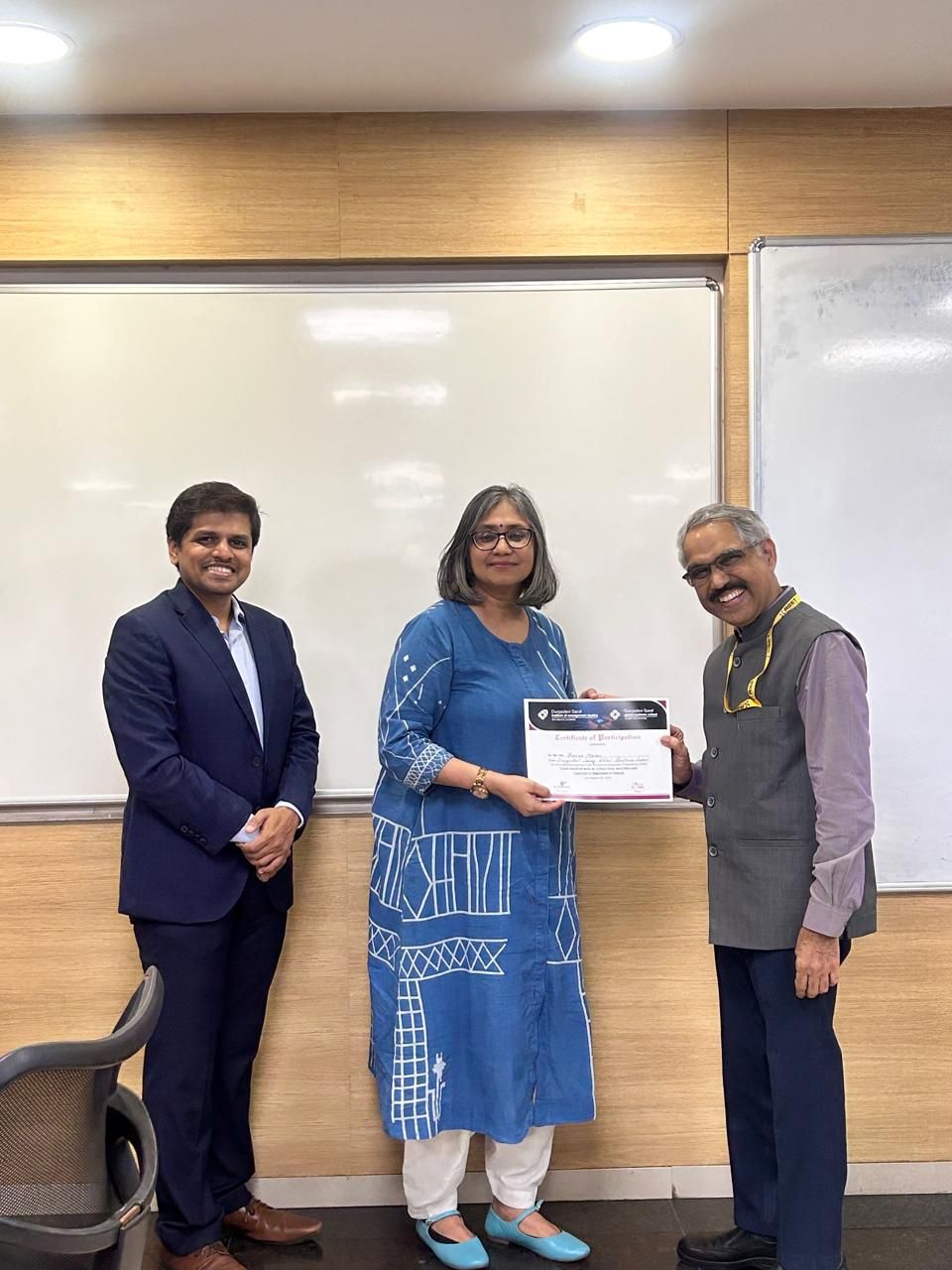
The resource person, CS (Dr.) Swapnil Shenvi, was formally felicitated by Director Dr. C. Babu with a floral token of appreciation on behalf of DSIMS and DSGS.
The technical sessions were highly interactive and practice-oriented. The major areas covered during the FDP included:
1. Prompt Engineering and Optimisation
Participants were introduced to systematic approaches to prompt structuring, personalisation, and context-setting to obtain more relevant and effective outputs from AI tools for academic purposes.
2. AI for Academic Research
The session explored the use of Elicit AI to support academic research workflows, particularly in accelerating literature reviews, systematic literature mapping, and synthesis of research-related information.
3. AI-Powered Classroom Management and Teaching Assistance
Faculty members explored AI-based teaching and classroom-support platforms, including Brisk Teaching AI, MagicSchool AI, and Napkin AI. These tools demonstrated how faculty can develop teaching aids and generate visual diagrams and other resources to support classroom delivery.
4. Pedagogical Gamification
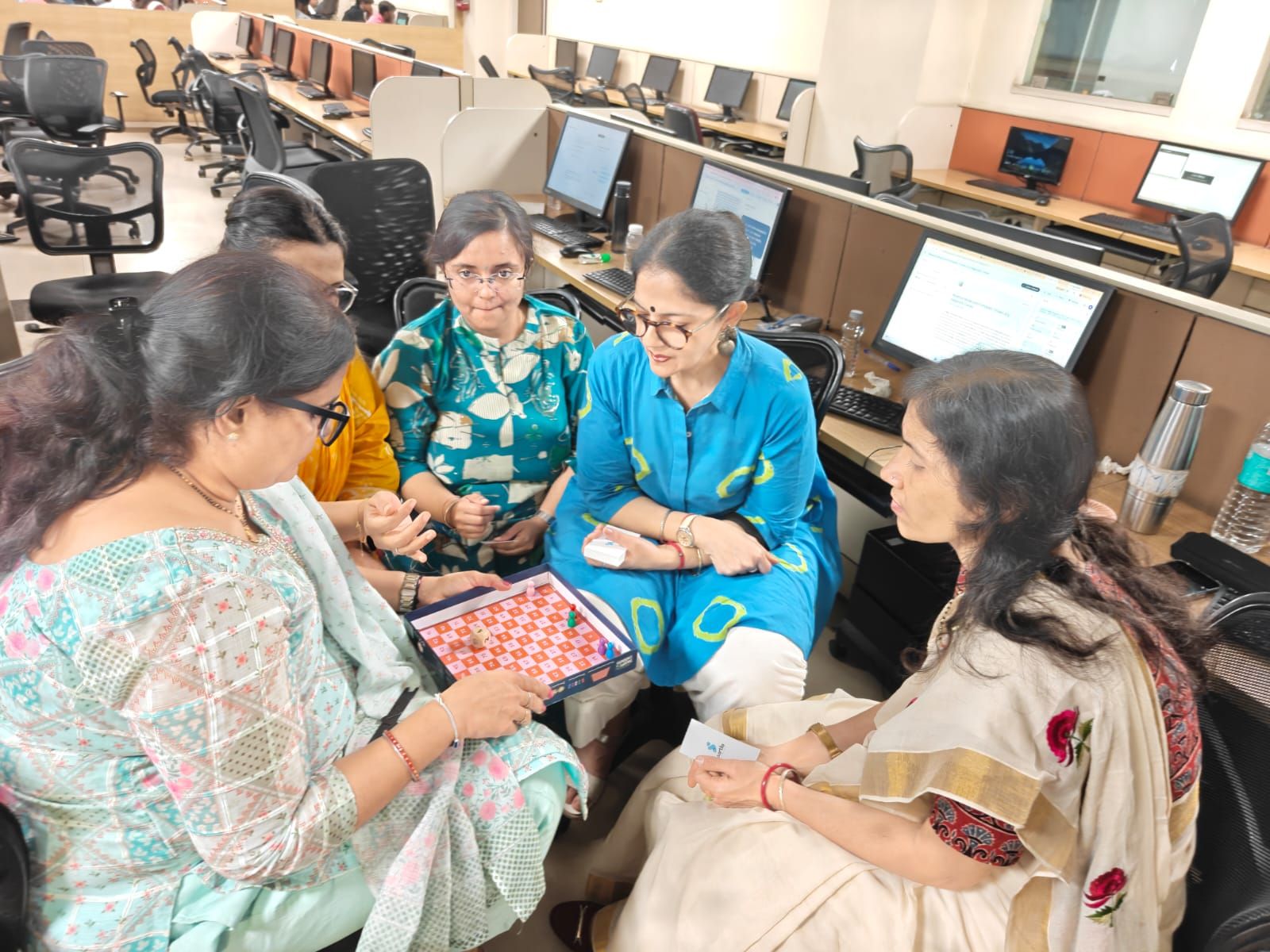
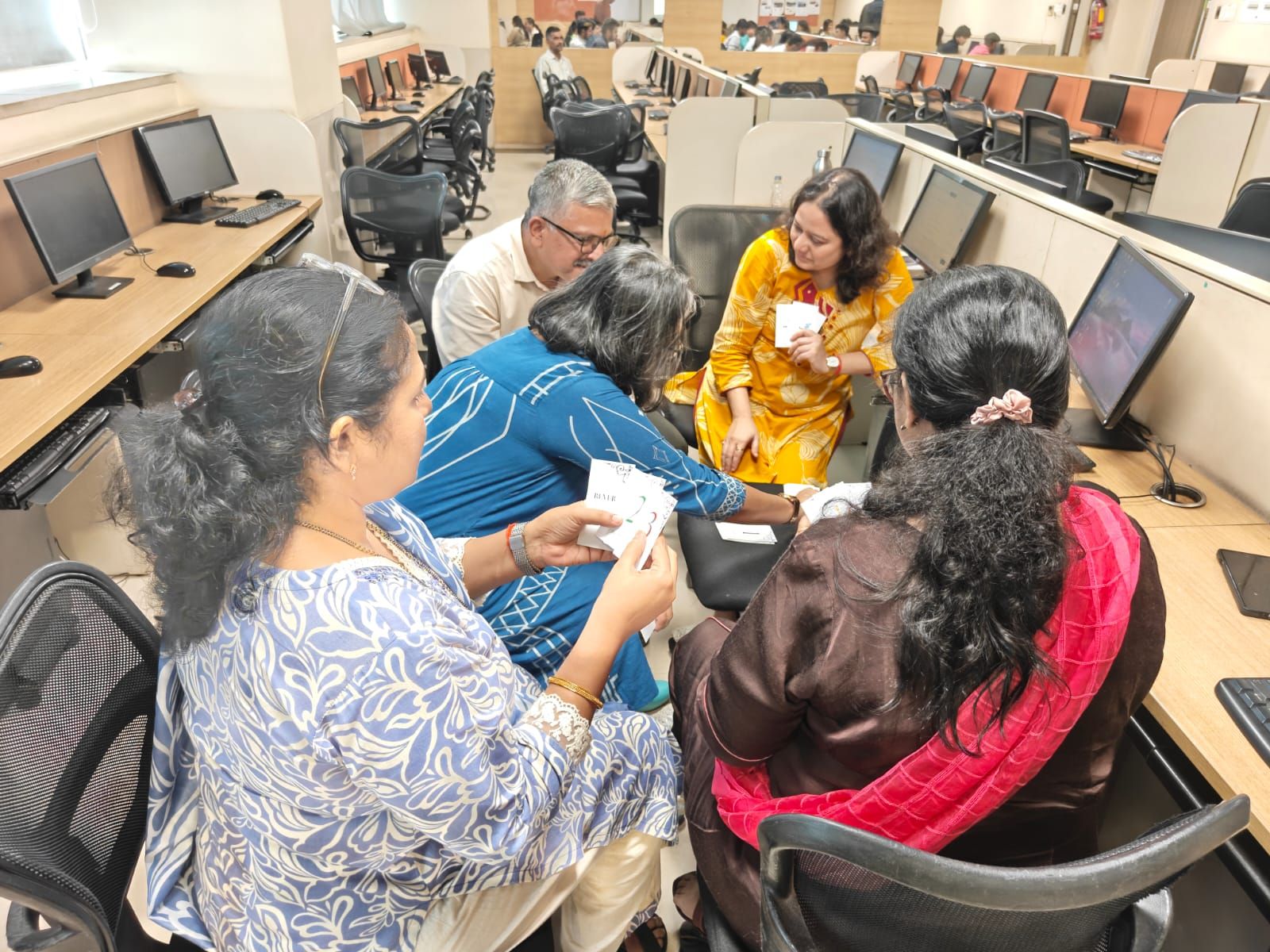
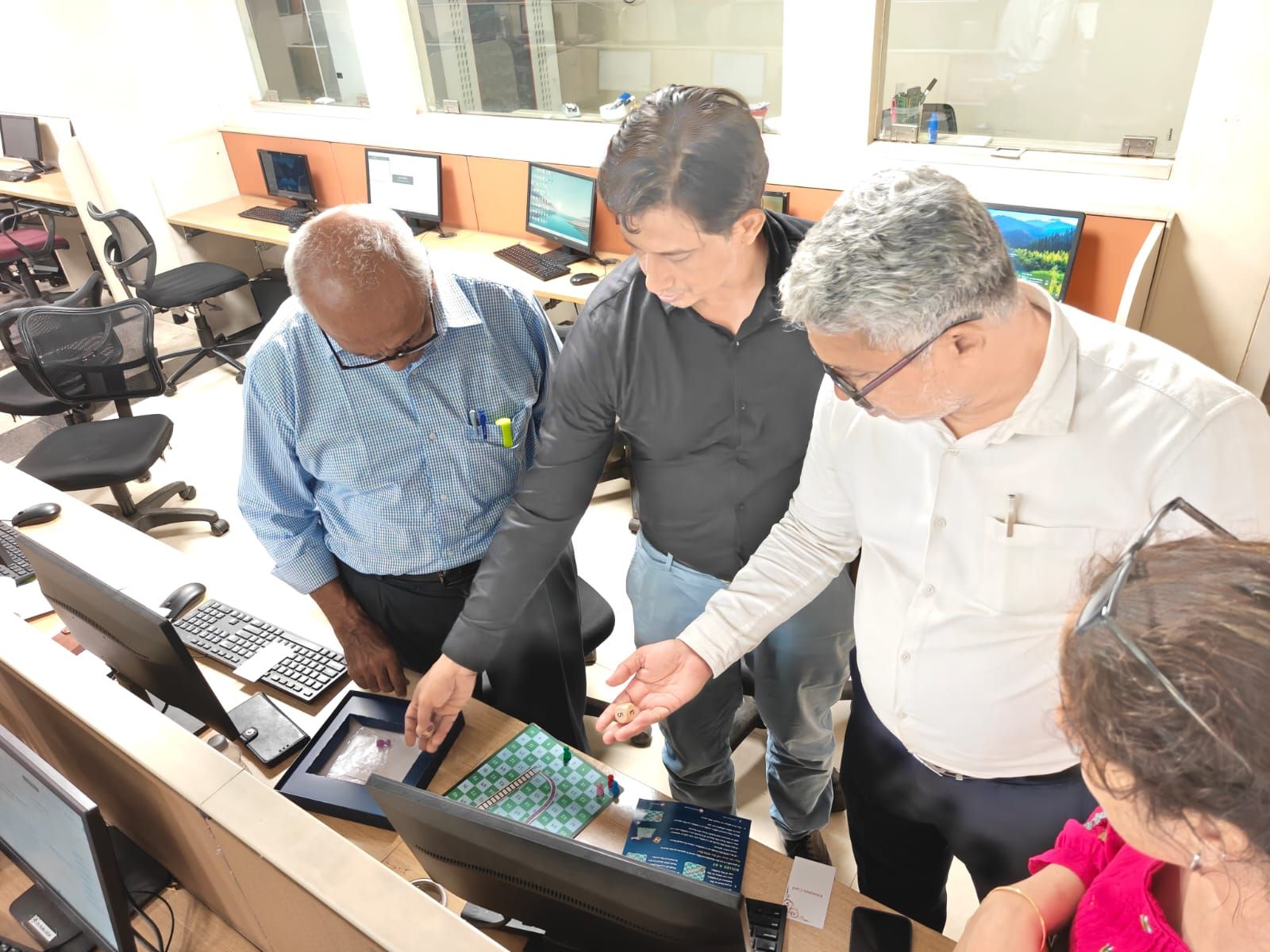
An important component of the FDP was the integration of gamification into management education. Participants were introduced to both physical and digital interactive learning models, including UNO-based learning activities, Snakes & Ladders, Stick Games, and Canva-based interactive models.
These activities demonstrated how conventional concepts can be transformed into engaging, participative, and experiential classroom-learning experiences.
Key Outcomes of the FDP
The FDP resulted in several significant pedagogical and research-oriented outcomes:
Enhanced Teaching-Learning Practices: Faculty members gained practical exposure to no-code AI platforms that can be used to develop interactive classroom resources, teaching aids, and dynamic assessment activities.
Strengthened Research Capabilities: The demonstration of Elicit AI provided participants with insights into using AI to streamline literature reviews, research workflows, literature mapping, and synthesis.
Promotion of Innovative Pedagogy: The session encouraged faculty members to incorporate gamification, visual learning, interactive activities, and technology-enabled teaching methodologies into management education.
Improved Institutional Readiness: The programme witnessed 100% active faculty participation, creating a strong foundation for the adoption of AI-enabled teaching and learning practices across upcoming academic batches.
Conclusion
The Faculty Development Programme “Teach Smarter with AI: A Practical Masterclass” served as a valuable platform for faculty members to understand and practically explore the growing applications of Artificial Intelligence in teaching, learning, and academic research.
The hands-on nature of the programme enabled participants to move beyond conceptual understanding and gain practical exposure to AI-powered tools and innovative pedagogical techniques. The integration of prompt engineering, AI-assisted research, classroom-support platforms, and gamification provided faculty members with a diverse set of approaches to enrich the learning experience of management students.
The programme concluded with a formal Vote of Thanks delivered by CA (Dr.) Rajul Murudkar, acknowledging the resource person, institutional leadership, technical teams, and support staff for their contribution towards the successful conduct of the FDP.
Report Prepared by: Dr. Shital Patil, Event Convener